.png )
By Admin
Indoor Cooling Efficiency starts with the right habits and smart maintenance. Learn the expert-backed methods recommended by a reputable AC repair service.
When the mercury rises, it’s tempting to just crank up the air conditioner. But better cooling doesn’t always mean higher energy use. With the right strategies, you can significantly improve indoor cooling efficiency, reduce power bills, and make your space more comfortable, without overburdening your AC.
This article outlines the best expert-recommended, science-backed ways to make your home cooler and your air conditioning system smarter.
In a climate where temperatures are soaring and energy prices are climbing, efficient cooling isn’t just a comfort—it’s a necessity. Poor cooling efficiency leads to:
Increased energy consumption
Higher maintenance costs
Shorter AC lifespan
Reduced indoor air quality
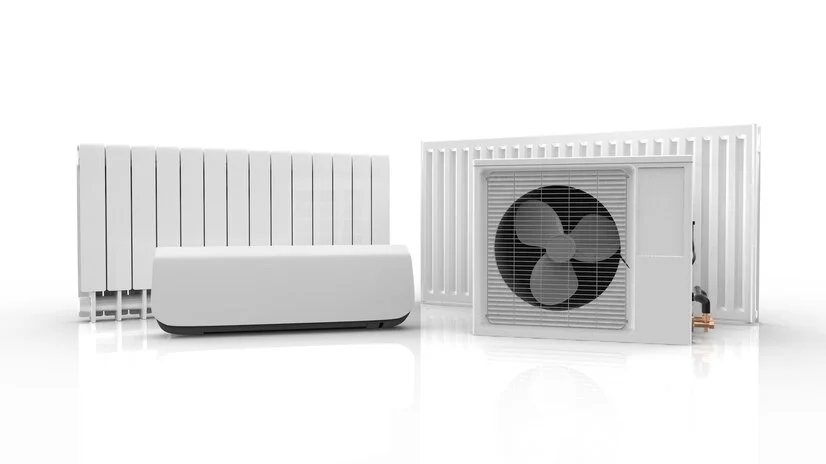
Whether you’re using a split AC, window unit, or central system, making it work smarter—not harder—is the key.
Surprisingly, minor thermostat adjustments can drastically improve energy usage.
Set it between 24–26°C for optimal comfort and savings
Avoid frequent temperature changes; set and leave it
Consider a smart thermostat that adjusts based on occupancy
These small tweaks prevent your AC from overworking while maintaining a steady indoor temperature.
Even the best AC unit can’t perform efficiently if cool air keeps escaping.
Check windows, doors, vents, and gaps
Use weather stripping or caulk for sealing
Keep doors and windows shut when the AC is on
Creating an airtight environment reduces load on the system and keeps the cool air in.
A major factor that hampers indoor cooling efficiency is poor AC maintenance. Over time, filters clog, coils collect dust, and ducts get blocked.
Make sure to:
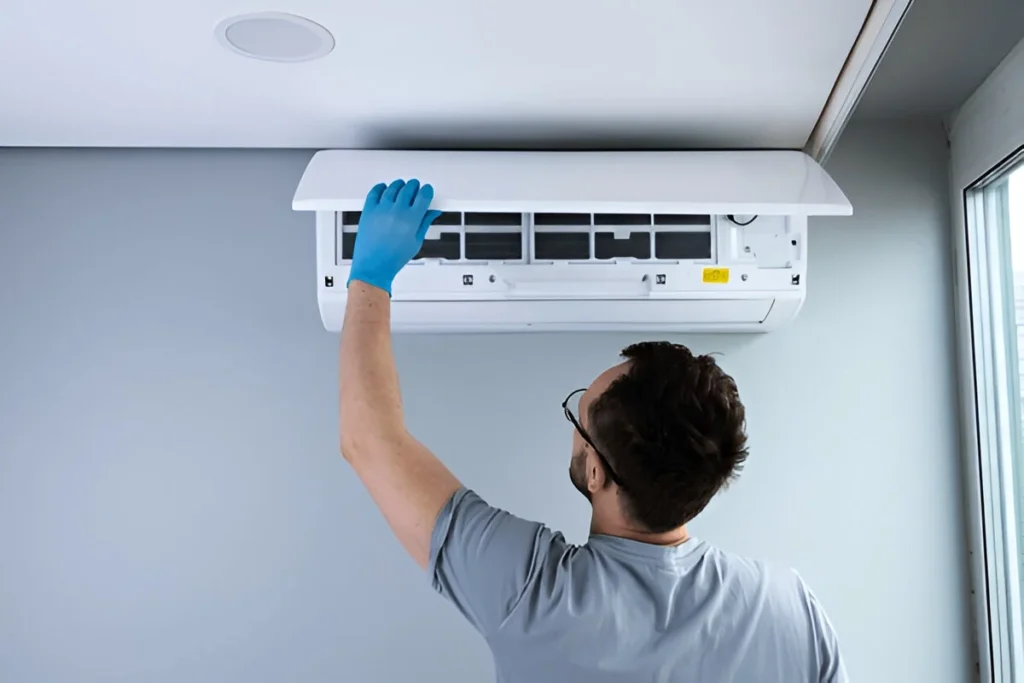
Clean or replace filters every 30–60 days
Have coils and fins checked and cleaned
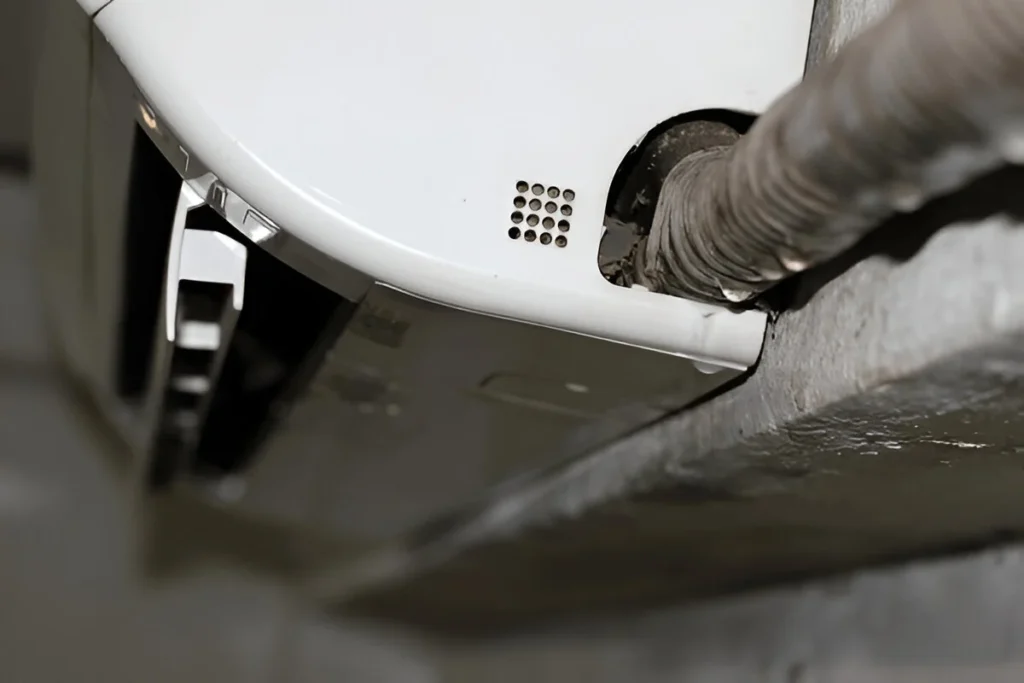
Clear the condensate drain
Get professional service before peak seasons
This not only improves efficiency but also extends the life of your unit. Many homeowners consult professional AC repair services to stay ahead of such issues.
If your AC is more than 8–10 years old, it might be time to consider a newer, more efficient model.
Look for a BEE 5-star rating
Choose inverter technology for variable speed
Install systems with eco-friendly refrigerants
While the initial cost might be higher, the long-term savings on energy bills make it worth it.
Ceiling and exhaust fans can support your AC by circulating cool air more evenly.
Ceiling fans should rotate counterclockwise during summer
Exhaust fans in kitchens and bathrooms help remove hot air
Use fans when you’re in the room and turn them off when not in use
This reduces the need for your AC to overcompensate for uneven cooling.
Insulation isn’t just for winter.
Use thermal curtains or blackout blinds
Apply reflective window films
Insulate ceilings and attic spaces
Paint roofs with reflective white paints
These passive methods drastically reduce heat gain and enhance indoor cooling efficiency without extra power consumption.
Often overlooked, furniture and appliances can affect airflow and add unnecessary heat.
Keep furniture away from air vents
Avoid placing heat-generating devices like TVs near the thermostat
Place AC units where air circulation is unobstructed
Smart space management ensures your AC cools the entire room uniformly.
Modern ACs come equipped with features that maximize performance.
Timers help automate on/off cycles
Sleep mode gradually adjusts temperature for nighttime comfort
Avoid running the AC for hours when not required
These small habits can collectively improve energy savings by up to 15%.
Sometimes, inefficiencies stem from internal issues like:
Compressor problems
Refrigerant leaks
Faulty sensors or capacitors
In such cases, relying on a skilled technician is vital. The best AC repair services in Kolkata often begin their assessments by checking airflow, thermostat calibration, and refrigerant levels before suggesting repairs or upgrades.
When you make these changes, you don’t just save on bills—you experience a real quality-of-life upgrade.
Lower energy bills
Reduced carbon footprint
Extended lifespan of appliances
Consistently comfortable home environment
Fewer breakdowns and repairs
The long-term impact? Better performance and peace of mind every summer.

Q1. How often should I service my AC to maintain cooling efficiency?
At least twice a year—once before summer and once after the season ends.
Q2. Can a ceiling fan replace an AC in cooling?
Not entirely. Fans circulate air but don’t lower room temperature. They’re great complements to air conditioners.
Q3. How do I know if my home insulation is poor?
If your AC runs constantly but your room remains hot, chances are your insulation isn’t working well.
Q4. Do smart thermostats really help?
Yes, they can reduce energy use by 10–15% by adjusting cooling based on occupancy and time of day.
Q5. When should I replace my air conditioner?
If it’s over 10 years old, breaks down frequently, or has a SEER rating below 13, consider a new unit.
Achieving better indoor cooling efficiency isn’t about drastic upgrades—it’s about smart, mindful actions taken consistently. From maintenance to insulation and thermostat settings, these strategies go a long way in ensuring comfort and savings.
For issues that go beyond DIY fixes, trust matters. A trained and experienced technician can help restore balance and function to your AC system, ensuring it performs efficiently throughout the season.