.png )

By Admin
Hello Reader!
Welcome to the blog page of Rup Air Condition, one of the best AC repair centers in Kolkata. In, this blog we will let you know whether air conditioners can remove humid from or not.
In the scorching heat of Kolkata, air conditioners aren’t just a luxury but a necessity. They rescue us from the oppressive humidity and heat, providing a sanctuary of cool comfort within our homes and workplaces. But beyond just cooling, do air conditioners also dehumidify the air? Let’s delve into this question and uncover the science behind how air conditioners tackle humidity levels, brought to you by Rup Air Condition, the best AC repair center in Kolkata.

Humidity, the measure of moisture saturation in the air, is a defining characteristic of Kolkata’s climate. Here, humidity levels often ascend to oppressive heights, enveloping residents in an atmosphere that feels persistently clammy and unpleasant. However, the repercussions of elevated humidity extend beyond mere discomfort. They pave the way for a host of concerns, ranging from the proliferation of mold colonies to the onset of pervasive musty odors. Moreover, high humidity catalyzes health complications, exacerbating respiratory issues and fostering an environment ripe for allergens. Consequently, grappling with humidity becomes not only a quest for personal comfort but a vital endeavor in safeguarding both physical well-being and the integrity of indoor spaces against moisture-induced deterioration.

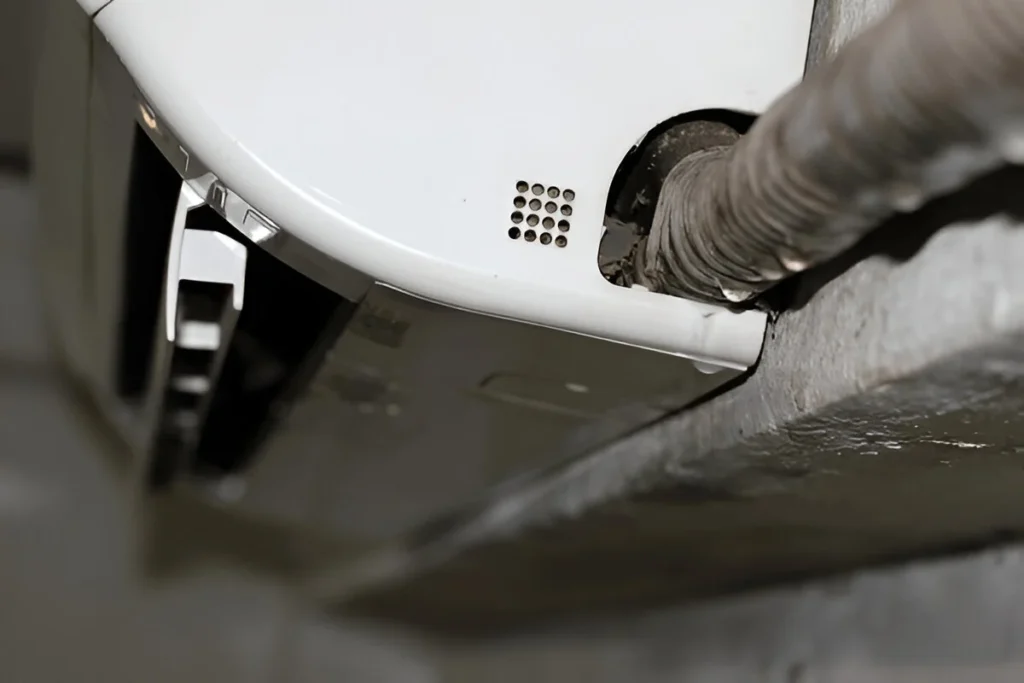
Air conditioners operate through a sophisticated mechanism involving the circulation of refrigerant within a network of coils. As ambient air permeates these coils, laden with warmth accumulated from the room, the refrigerant undertakes a crucial task: it absorbs this thermal energy, thereby cooling the air. However, this transformative process extends beyond mere temperature regulation. In tandem with cooling, air conditioners also engage in the intricate dance of humidity management. As the warm air makes contact with the chilled evaporator coils, moisture within it undergoes a remarkable transformation, condensing into liquid droplets. This dual functionality of air conditioners not only ensures a refreshing coolness within spaces but also effectively tackles the humidity conundrum, ushering in an atmosphere of comfort and equilibrium.
Reducing humidity levels offers several benefits:
To ensure optimal dehumidification and cooling performance, it’s crucial to choose the right air conditioner for your space and to keep it well-maintained. Regular servicing by professionals, such as Rup Air Condition, the top AC repair center in Kolkata, can help keep your AC running efficiently and effectively.
Answer: Yes, air conditioners do remove humidity as a byproduct of their cooling process. As warm air passes over the cold evaporator coils inside the AC unit, moisture in the air condenses into water droplets, effectively reducing humidity levels in the room.
Answer: Dehumidification by air conditioners offers multiple benefits. It enhances comfort by making the air feel cooler and more pleasant, even at higher temperatures. Additionally, it promotes a healthier indoor environment by preventing mold and mildew growth, which can trigger allergies and respiratory issues.
Answer: Yes, air conditioners are equipped to manage humidity levels even in humid climates like Kolkata. By removing excess moisture from the air, they create a more comfortable and breathable indoor environment, making them indispensable appliances for combating humidity-related discomfort.
Answer: In most cases, a standalone dehumidifier may not be necessary if you already have an air conditioner. Modern air conditioners are designed to dehumidify the air as part of their cooling process. However, in extremely humid conditions or specific areas where moisture control is a persistent issue, a dedicated dehumidifier may offer additional benefits.
Answer: To ensure optimal dehumidification performance, it’s essential to properly size and maintain your air conditioner. Make sure your AC unit is appropriately sized for the space it needs to cool and that it undergoes regular maintenance by professionals, such as cleaning or replacing filters, checking refrigerant levels, and cleaning evaporator coils. This ensures that your air conditioner operates efficiently and effectively removes humidity from the air.
Air conditioners not only cool the air but also play a vital role in dehumidifying it, offering relief from the oppressive humidity of Kolkata. Understanding this process sheds light on the importance of maintaining your AC unit to ensure it continues to perform optimally. For all your AC repair and maintenance needs in Kolkata, trust Rup Air Condition, the leading AC repair center in the city, to keep you cool, comfortable, and humidity-free.