.png )
By Admin
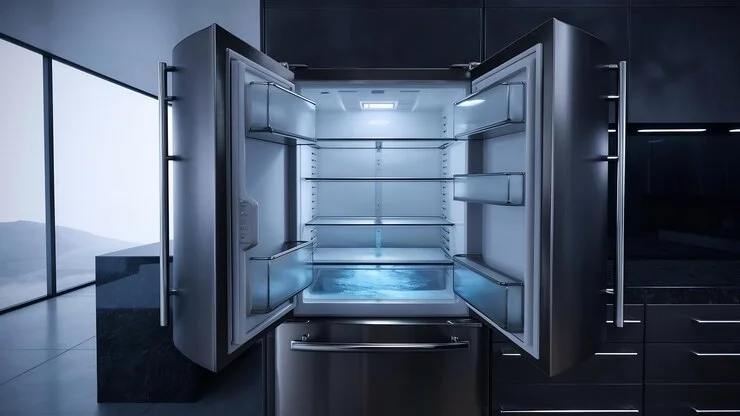
Optimal cooling depends heavily on how you organize your fridge. Discover expert-backed tips that prevent food spoilage and improve efficiency.
Ever opened your fridge only to find half-frozen veggies in one corner and wilted lettuce in another? Or milk that spoils faster than it should? These aren’t just annoyances—they’re signs that your refrigerator might not be cooling optimally.
The way you organize your refrigerator can dramatically impact its performance, energy consumption, and even the longevity of your groceries. Whether you live in a high-humidity city or a dry region, organizing your fridge the right way ensures optimal cooling and minimizes the chances of needing refrigerator repair services due to overworked components or uneven airflow.

Let’s walk through how you can transform your fridge into a well-organized, energy-efficient powerhouse.
An unorganized refrigerator doesn’t just look messy—it compromises airflow and temperature consistency. Cold air needs space to circulate freely. Blocked vents, overcrowded shelves, and poor food placement can overwork the appliance and cause uneven temperatures.
What it affects:
Food safety and freshness
Energy efficiency
Appliance lifespan
Maintenance frequency
When maintained and organized properly, even older refrigerators can perform efficiently for years, reducing the need for frequent repair services or costly interventions.
Before diving into organization strategies, it’s helpful to understand that your fridge isn’t a uniform box of cold air. Different areas serve different cooling purposes.
These are the most temperature-stable zones.
Ideal for: Leftovers, dairy products, drinks, and ready-to-eat meals.
Moderate cooling area.
Best for: Eggs, cheese, yogurt, sauces, and packed lunchboxes.
Coldest part of the fridge.
Store raw meats in leak-proof containers to avoid cross-contamination.
Typically equipped with humidity controls.
High-humidity drawer for leafy greens.
Low-humidity drawer for fruits like apples, oranges, and grapes.
Warmest part due to frequent opening.
Suitable for: Pickles, sauces, water bottles, juices (not milk or eggs).

Now that you know how each zone functions, it’s time to get practical. These are time-tested, expert-backed tips that not only improve optimal cooling but also prevent premature appliance wear and tear.
Overstuffing restricts airflow.
Cold air can’t circulate effectively, leading to hot and cold spots.
Use containers or bins to group similar items and save space.
Most refrigerators have vents at the back or sides.
Keep items at least an inch away from vents to allow unrestricted cold air flow.
Place newer items behind older ones to ensure nothing goes bad.
Helps reduce food waste and keeps your fridge less cluttered.
Refrigerator: 1°C to 4°C (33°F to 39°F)
Freezer: -18°C (0°F)
Use a fridge thermometer to ensure accuracy, especially in older models.
Wipe shelves and drawers with mild soap.
Remove expired items regularly.
A clean fridge runs more efficiently and keeps odors in check.
Always store cooked food above raw meats.
Prevents cross-contamination and maintains hygiene.
Let food cool to room temperature before refrigerating.
Hot food raises internal temperature and strains the compressor.
Use breathable cloth bags or perforated containers.
Reduces moisture build-up and helps vegetables stay crisp.
While organizing helps, avoiding bad habits is equally important.
Stack food tightly with no breathing space.
Ignore strange sounds or irregular cycling.
Open the fridge door frequently or leave it open for long.
Perform seasonal fridge checks (especially before summer).
Schedule annual maintenance to prevent breakdowns.
Get professional advice when in doubt.
If issues like frost build-up, noisy compressors, or persistent warm zones appear, consulting a reputed refrigerator repair service can ensure early resolution.
Using simple tools like masking tape and markers can:
Help keep track of expiry dates
Reduce food waste
Encourage family members to use older items first
Smart Tip: Use clear storage bins so you can see everything at a glance.
These micro-adjustments can supercharge the optimal cooling in your refrigerator:
Store milk at the back of the middle shelf, not in the door.
Leave space between containers for airflow.
Keep leftovers in shallow, airtight containers for quicker cooling.
Use lazy Susans for condiments and jars to avoid digging.
All these adjustments combined contribute to a healthier, more efficient refrigerator—one that doesn’t just preserve food but does so intelligently.

A: Ideally once every month. Clean spills immediately and check for expired food weekly.
A: Between 1°C to 4°C (33°F to 39°F) for the refrigerator and -18°C (0°F) for the freezer.
A: Absolutely. Blocked vents and overloaded shelves can reduce cooling efficiency, increase energy bills, and even damage the appliance.
A: Cold air enters from the back. If airflow is blocked or items are pushed too far back, they can partially freeze.
A: If food is spoiling faster, if you notice frost where it shouldn’t be, or if the compressor is loud, it’s time to consult a professional.
Organizing your refrigerator is more than an aesthetic choice—it’s a practical step toward optimal cooling, lower energy bills, and a longer appliance life. From storing food in the right zones to giving vents enough space to breathe, the smallest habits can make the biggest difference.
If your fridge still struggles to maintain consistent temperatures despite your best organization efforts, it may be time to consult a professional. Experienced technicians can accurately diagnose hidden issues, optimize performance, and ensure long-term efficiency through proper maintenance and timely interventions. Choosing a trusted repair service that understands your appliance’s specific requirements can prevent minor issues from turning into major breakdowns.
Until then, happy organizing—and stay cool!